<?xml version='1.0' encoding='UTF-8'?>

<!DOCTYPE article PUBLIC "-//NLM//DTD JATS (Z39.96) Journal Publishing DTD v1.1d1 20130915//EN" "JATS-journalpublishing1.dtd">
<article xmlns:xlink="http://www.w3.org/1999/xlink">
  <front>
    <journal-meta id="journal-meta-87cddb9ab7774ac9973b6a64b7cbc767">
      <journal-id journal-id-type="nlm-ta">Sciresol</journal-id>
      <journal-id journal-id-type="publisher-id">Sciresol</journal-id>
      <journal-id journal-id-type="journal_submission_guidelines">https://jmsh.ac.in/</journal-id>
      <journal-title-group>
        <journal-title>Journal of Medical Sciences and Health</journal-title>
      </journal-title-group>
      <issn publication-format="print"/>
    </journal-meta>
    <article-meta>
        
          
            <article-id pub-id-type="doi">10.46347/jmsh.v12.i2.25.262</article-id>
          
          
            <article-categories>
              <subj-group>
                <subject>ORIGINAL ARTICLE</subject>
              </subj-group>
            </article-categories>
            <title-group>
              <article-title>&lt;p&gt;Effect of Anthropometric Measures and Physical Activity on Sleep Quality among Young Adults with Restless Legs Syndrome&lt;/p&gt;</article-title>
            </title-group>
          
          
            <pub-date date-type="pub">
              <day>30</day>
              <month>3</month>
              <year>2026</year>
            </pub-date>
            <permissions>
              <copyright-year>2026</copyright-year>
            </permissions>
          
          
            <volume>12</volume>
          
          
            <issue>2</issue>
          
          <fpage>1</fpage>

          <abstract>
            <title>Abstract</title>
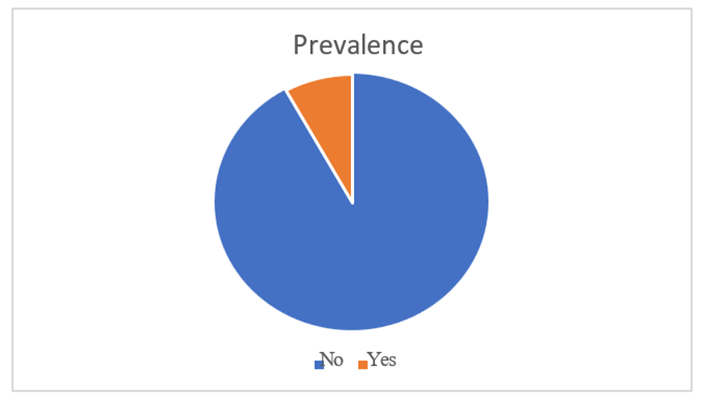
            &lt;p&gt;&lt;bold&gt;Introduction:&lt;/bold&gt;&lt;span&gt; Restless leg syndrome (RLS) is a sensorimotor disease characterised by an urge to move the legs, often caused by uncomfortable sensations in the legs. The symptom severity ranges from mild and occasional to nightly and severe, with complete disruption of sleep. Exercise can help you sleep better the same night by tiring your body, raising your temperature, and changing your heart rate. But for people with restless legs syndrome (RLS), it’s not clear if exercise reduces nighttime leg movements or improves sleep—though it might help. Anthropometric measurements of obesity, like body mass index (BMI) and waist and neck circumference, are considered strong predictors of sleep disorders. This study aimed to see whether anthropometric measurements and physical activity affect the sleep quality in young adults with RLS symptoms. &lt;/span&gt;&lt;bold&gt;Method:&lt;/bold&gt;&lt;span&gt; This was a cross-sectional observational study conducted in Delhi, India, including individuals aged 18-25 years. Individuals were screened for RLS symptoms using IRLSSG criteria, and positive individuals were further administered to collect their demographic details and anthropometric parameters (height, weight, chest circumference and waist circumference). Pittsburgh Sleep Quality Index (PSQI), International Physical Activity Questionnaire (IPAQ). &lt;/span&gt;&lt;bold&gt;Result:&lt;/bold&gt;&lt;span&gt; The overall prevalence of individuals with RLS in our study was 10.75%. The findings revealed that the PSQI score had a moderate negative correlation with the anthropometric measures and had a weak negative correlation with the IPAQ score. &lt;/span&gt;&lt;bold&gt;Conclusion:&lt;/bold&gt;&lt;span&gt; The study lacked a strong correlation between physical traits, exercise habits, and sleep quality in young adults with RLS.&lt;/span&gt;&lt;/p&gt;
          </abstract>
          
          
            <kwd-group>
              <title>Keywords</title>
              
                <kwd>Restless Legs Syndrome</kwd>
              
                <kwd>Adults</kwd>
              
                <kwd>Sleep quality</kwd>
              
                <kwd>Physical Activity</kwd>
              
                <kwd>Anthropometric measurements</kwd>
              
            </kwd-group>


        <contrib-group>
          
            
              <contrib contrib-type="author">
                <name>
                  <surname>Kumari</surname>
                  <given-names>Vishnu</given-names>
                </name>
                
                  <xref rid="aff-1" ref-type="aff">1</xref>
                
              </contrib>


              <aff id="aff-1">
                <institution> Student BPT Banarsidas Chandiwala Institute of Physiotherapy </institution>
                <addr-line>New Delhi India</addr-line>
              </aff>
            
              <aff id="aff-2">
                <institution> Senior Assistant Professor, MPT Neurology Banarsidas Chandiwala Institute of Physiotherapy </institution>
                <addr-line>New Delhi India</addr-line>
              </aff>
            
              <aff id="aff-3">
                <institution> Assistant Professor, MPT Neurology Banarsidas Chandiwala Institute of Physiotherapy </institution>
                <addr-line>New Delhi India</addr-line>
              </aff>
            
              <aff id="aff-4">
                <institution> Associate Professor, MPT Sports Manav Rachna International Institute of Research and Studies </institution>
                <addr-line>Haryana India</addr-line>
              </aff>


              <contrib contrib-type="author">
                <name>
                  <surname>Choudhary</surname>
                  <given-names>Avi</given-names>
                </name>
                
                  <xref rid="aff-2" ref-type="aff">2</xref>
                
              </contrib>


              <aff id="aff-1">
                <institution> Student BPT Banarsidas Chandiwala Institute of Physiotherapy </institution>
                <addr-line>New Delhi India</addr-line>
              </aff>
            
              <aff id="aff-2">
                <institution> Senior Assistant Professor, MPT Neurology Banarsidas Chandiwala Institute of Physiotherapy </institution>
                <addr-line>New Delhi India</addr-line>
              </aff>
            
              <aff id="aff-3">
                <institution> Assistant Professor, MPT Neurology Banarsidas Chandiwala Institute of Physiotherapy </institution>
                <addr-line>New Delhi India</addr-line>
              </aff>
            
              <aff id="aff-4">
                <institution> Associate Professor, MPT Sports Manav Rachna International Institute of Research and Studies </institution>
                <addr-line>Haryana India</addr-line>
              </aff>


              <contrib contrib-type="author">
                <name>
                  <surname>Kaushik</surname>
                  <given-names>Himani</given-names>
                </name>
                
                  <xref rid="aff-3" ref-type="aff">3</xref>
                
              </contrib>


              <aff id="aff-1">
                <institution> Student BPT Banarsidas Chandiwala Institute of Physiotherapy </institution>
                <addr-line>New Delhi India</addr-line>
              </aff>
            
              <aff id="aff-2">
                <institution> Senior Assistant Professor, MPT Neurology Banarsidas Chandiwala Institute of Physiotherapy </institution>
                <addr-line>New Delhi India</addr-line>
              </aff>
            
              <aff id="aff-3">
                <institution> Assistant Professor, MPT Neurology Banarsidas Chandiwala Institute of Physiotherapy </institution>
                <addr-line>New Delhi India</addr-line>
              </aff>
            
              <aff id="aff-4">
                <institution> Associate Professor, MPT Sports Manav Rachna International Institute of Research and Studies </institution>
                <addr-line>Haryana India</addr-line>
              </aff>


              <contrib contrib-type="author">
                <name>
                  <surname>Asif</surname>
                  <given-names>Md.</given-names>
                </name>
                
                  <xref rid="aff-4" ref-type="aff">4</xref>
                
              </contrib>


              <aff id="aff-1">
                <institution> Student BPT Banarsidas Chandiwala Institute of Physiotherapy </institution>
                <addr-line>New Delhi India</addr-line>
              </aff>
            
              <aff id="aff-2">
                <institution> Senior Assistant Professor, MPT Neurology Banarsidas Chandiwala Institute of Physiotherapy </institution>
                <addr-line>New Delhi India</addr-line>
              </aff>
            
              <aff id="aff-3">
                <institution> Assistant Professor, MPT Neurology Banarsidas Chandiwala Institute of Physiotherapy </institution>
                <addr-line>New Delhi India</addr-line>
              </aff>
            
              <aff id="aff-4">
                <institution> Associate Professor, MPT Sports Manav Rachna International Institute of Research and Studies </institution>
                <addr-line>Haryana India</addr-line>
              </aff>
            
          
        </contrib-group>
        
    </article-meta>
  </front>
  <body>
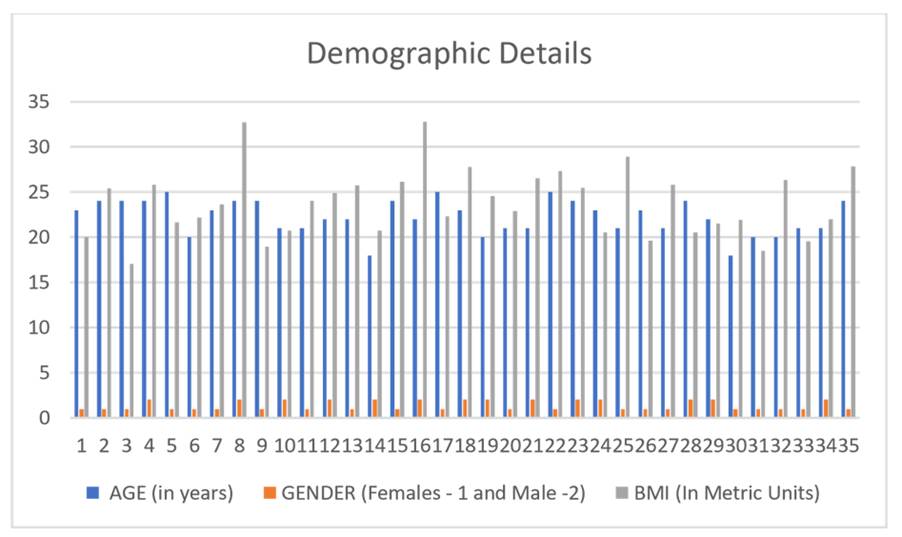
    <heading><span><bold>Introduction</bold></span></heading><p><span>Restless Legs syndrome (RLS), also called “Willis-Ekbom disease”, is defined as a sensorimotor disorder that can have a pronounced disturbance on sleep. It is characterized by irresistible restlessness and an urge to move the legs, often accompanied by unpleasant sensation when legs are at rest, relief by movement<superscript>[<xref ref-type="link" rid="#ref-1">1</xref>]</superscript>. Restless Legs Syndrome (RLS) is a condition that causes an uncomfortable urge to move the legs, especially at night. Symptoms can range from mild (occasional discomfort) to severe (nightly sleep disruption).</span></p><div><span> </span></div><p><span>In children and teens, RLS is less studied but affects about 2-6% of them. It was first recognized in kids in 1994. RLS have been conducted in the paediatrics and adolescent populations. In adults, RLS has been associated with depression<superscript>[<xref ref-type="link" rid="#ref-1">1</xref>]</superscript>.</span></p><p><span>Restless Legs Syndrome (RLS) causes a strong urge to move the body to ease uncomfortable sensations, especially when resting, sitting, or sleeping. Patients often describe these sensations as “creeping, crawling, tingling, pulling, or painful” deep inside their limbs. The discomfort can occur in one or both legs, especially affecting calf, the knees, ankles, or entire lower limbs<superscript>[<xref ref-type="link" rid="#ref-2">2</xref>]</superscript>. People with RLS often struggle with moving the legs or taking a short walk can help relieve discomfort. Some studies have shown that regular physical activity lowers the risk of developing restless legs syndrome (RLS). Exercise can improve sleep quality through various mechanisms, including both immediate and long-term effects<superscript>[<xref ref-type="link" rid="#ref-3">3</xref>]</superscript>. The short-term effects of exercise on sleep quality includes central nervous system fatigue, increased body temperature, and changes in heart rate.</span></p><div><span> </span></div><p><span>However, it remains unclear whether people with idiopathic RLS experience better sleep quality and fewer periodic limb movements during sleep (PLMS) after physical activity. It is believed that physical activity during day may have an impact and improve sleep quality of that same night<superscript>[<xref ref-type="link" rid="#ref-3">3</xref>]</superscript>. RLS can be tricky to diagnose because other conditions cause similar symptoms. RLS can be tricky to diagnose because other conditions cause similar symptoms, but it is important to differentiate RLS from the similar conditions<superscript>[<xref ref-type="link" rid="#ref-4">4</xref>]</superscript>.</span></p><heading><span><bold>Materials and Methods</bold></span></heading><heading><span><bold>Ethical Approval and Informed Consent:</bold></span></heading><p><span>The study was conducted in strict accordance with the ethical principles outlined in the Declaration of Helsinki. The study protocol received formal approval from the Institutional Review Board of BCIP. Before the commencement of data collection, all potential participants were presented with a digital Participant Information Sheet outlining the study’s objectives, the voluntary nature of involvement, and data anonymisation protocols. Explicit informed consent was obtained electronically; the survey instruments remained inaccessible until the participant verified their consent by selecting the Consent to Participate option.</span></p><heading><span><bold>Study Design and Participant Selection:</bold></span></heading><p><span>An observational, cross-sectional study design was employed to evaluate the correlations between anthropometric parameters, physical activity levels, and sleep quality in young adults presenting with symptoms of Restless Legs Syndrome (RLS). Participants were recruited via purposive sampling through institutional digital networks and social media platforms to identify individuals meeting the predefined clinical and demographic criteria.</span></p><heading><span><bold>Eligibility Criteria:</bold></span></heading><p><span><bold>Inclusion Criteria:</bold> Eligible participants included both males and females aged 18 to 25 years. Clinical eligibility was determined by a positive screening for RLS based on the essential diagnostic criteria established by the International Restless Legs Syndrome Study Group (IRLSSG).</span></p><p><span><bold>Exclusion Criteria:</bold> To minimise the influence of confounding variables, individuals were excluded if they reported any of the following:</span></p><list><list-item><p><span>Pre-existing peripheral neuropathies or sensory impairments.</span></p></list-item><list-item><p><span>A history of significant orthopaedic trauma to the lower extremities.</span></p></list-item><list-item><p><span>Current acute febrile illness.</span></p></list-item><list-item><p><span>Diagnosed endocrine disorders (specifically thyroid dysfunction).</span></p></list-item><list-item><p><span>Clinically confirmed anaemia or other metabolic/vascular conditions known to mimic RLS symptoms (e.g., chronic venous insufficiency).</span></p></list-item></list><heading><span><bold>Data Acquisition and Instrumentation:</bold></span></heading><p><span>Data collection was performed using a secure, web-based structured questionnaire. The assessment battery consisted of the following validated components:</span></p><list><list-item><p><span><bold>Demographics and Clinical History:</bold> Self-reported data regarding age, gender, and medical history were collected to verify eligibility.</span></p></list-item><list-item><p><span><bold>Anthropometric Assessment:</bold> Participants provided self-reported measurements for height and weight (used to calculate Body Mass Index, BMI), as well as chest and waist circumferences.</span></p></list-item><list-item><p><span><bold>Physical Activity Levels:</bold> The International Physical Activity Questionnaire (IPAQ) – Long Form was utilised. Physical activity was quantified in Metabolic Equivalent of Task (MET-min/week) and stratified into low, moderate, or high activity categories.</span></p></list-item><list-item><p><span><bold>Sleep Quality Evaluation:</bold> The Pittsburgh Sleep Quality Index (PSQI) was used to assess sleep disturbances. A global score was calculated (range: 0–21), with a score of <underline>&gt;</underline>5 serving as the validated threshold for poor sleep quality.</span></p></list-item></list><heading><span><bold>Statistical Analysis:</bold></span></heading><p><span>Statistical processing was performed using IBM SPSS Statistics for Windows, Version 21.0 (IBM Corp., Armonk, NY). Data were initially curated in Microsoft Excel to ensure accuracy and completeness. The normality of the data distribution was assessed using the Shapiro-Wilk test.</span></p><p><span>Descriptive statistics, including means, standard deviations, and frequency distributions, were used to summarise the demographic characteristics. The relationship between anthropometric measures, physical activity (MET-min/week), and sleep quality (PSQI scores) was analysed using Pearson’s correlation coefficient (r) for normally distributed continuous variables. Categorical variables were compared using the Chi-square test where applicable. For all analyses, the level of statistical significance was set a priori at p &lt; 0.05.</span></p><heading><span><bold>Result</bold></span></heading><heading><span><bold>Study Population and Prevalence</bold></span></heading><p><span>A total of 500 individuals from various collegiate institutions in Delhi were screened for this study. The response rate was 80% (n = 400). Based on the International Restless Legs Syndrome Study Group (IRLSSG) diagnostic criteria, 43 participants were identified as RLS-positive. Of these, 35 individuals completed the comprehensive questionnaire battery. The sub-sample consisted of 21 females (60%) and 14 males (40%). Detailed prevalence data and demographic characteristics are presented in <xref ref-type="link" rid="#figure-1">[Fig. 1]</xref>, <xref ref-type="link" rid="#figure-2">[Fig. 2]</xref>, and <xref ref-type="link" rid="#table-1">[Table. 1]</xref>, respectively.</span></p><figure><graphic src="https://schoproductionportal.s3.ap-south-1.amazonaws.com/data/JMSH/232/1775130678928.png"/><figcaption><span><bold>Fig. 1: Pie chart showing the frequency of prevalence </bold></span><line-break/><span><bold>of RLS in young adults</bold></span></figcaption></figure><figure><graphic src="https://schoproductionportal.s3.ap-south-1.amazonaws.com/data/JMSH/232/1775129504673.png"/><figcaption><span><bold>Fig. 2: Bar graph shows the frequency of the age, gender and BMI</bold></span></figcaption></figure><figure id="table-1"><table><thead><tr><th><p><span><bold>Parameters</bold></span></p></th><th><p><span><bold>N</bold></span></p></th><th><p><span><bold>Mean</bold></span></p></th><th><p><span><bold>Standard</bold></span><line-break/><span><bold>Deviation</bold></span></p></th></tr></thead><tbody><tr><td><p><span>Height (cm)</span></p></td><td><p><span>35</span></p></td><td><p><span>164.8443</span></p></td><td><p><span>10.68984</span></p></td></tr><tr><td><p><span>Weight (kg)</span></p></td><td><p><span>35</span></p></td><td><p><span>65.3000</span></p></td><td><p><span>15.89127</span></p></td></tr><tr><td><p><span>BMI (kg/m<superscript>2</superscript>)</span></p></td><td><p><span>35</span></p></td><td><p><span>23.7863</span></p></td><td><p><span>3.75763</span></p></td></tr><tr><td><p><span>Chest circumference </span><line-break/><span>(inches)</span></p></td><td><p><span>35</span></p></td><td><p><span>36.6429</span></p></td><td><p><span>4.07931</span></p></td></tr><tr><td><p><span>Waist circumference </span><line-break/><span>(inches)</span></p></td><td><p><span>35</span></p></td><td><p><span>31.5429</span></p></td><td><p><span>2.66064</span></p></td></tr></tbody></table><figcaption><span><bold>Table 1: Summary of Demographic Details of the RLS </bold></span><line-break/><span><bold>positive young adults</bold></span></figcaption></figure><p> </p><heading><span><bold>Anthropometric Correlations with Sleep Quality</bold></span></heading><p><span>The relationship between body composition and sleep quality assessed via the Pittsburgh Sleep Quality Index (PSQI) was detailed in <xref ref-type="link" rid="#table-2">[Table. 2]</xref>. Analysis revealed that height exhibited a moderate negative correlation with PSQI scores ($r = -0.342, p &lt; 0.05$), suggesting that taller individuals in this cohort reported better sleep quality (lower PSQI scores). Conversely, weight, Body Mass Index (BMI), chest circumference, and waist circumference demonstrated no statistically significant correlation with sleep quality. These findings suggest that within this specific RLS-positive sample, traditional measures of body composition do not significantly influence sleep latency or disturbances, pointing toward the involvement of other multifactorial etiologies.</span></p><figure id="table-2"><table><thead><tr><th><p><span><bold>Anthropometric </bold></span><line-break/><span><bold>Parameters (N-35)</bold></span></p></th><th><p><span><bold>PSQI Correlation </bold></span><line-break/><span><bold>(r)</bold></span></p></th></tr></thead><tbody><tr><td><p><span>Height (cm)</span></p></td><td><p><span>-0.342*</span></p></td></tr><tr><td><p><span>Weight (kg)</span></p></td><td><p><span>-0.151</span></p></td></tr><tr><td><p><span>BMI (kg/m<superscript>2</superscript>)</span></p></td><td><p><span>0.06</span></p></td></tr><tr><td><p><span>Chest circumference (inches)</span></p></td><td><p><span>-0.104</span></p></td></tr><tr><td><p><span>Waist circumference (inches)</span></p></td><td><p><span>-0.012</span></p></td></tr></tbody></table><figcaption><span><bold>Table 2: Correlations between PSQI Score and </bold></span><line-break/><span><bold>Anthropometric Measures</bold></span></figcaption></figure><p><span>* – Moderate significance, BMI – Body Mass Index, N – Total participants, r – Coefficient of Correlation, PSQI – Pittsburgh Sleep Quality Index</span></p><p> </p><heading><span><bold>Physical Activity and Anthropometry</bold></span></heading><p><span>As shown in <xref ref-type="link" rid="#table-3">[Table. 3]</xref>, height demonstrated a moderate positive correlation with physical activity levels (r = 0.339), as measured by the International Physical Activity Questionnaire (IPAQ). This indicates that taller participants are generally engaged in higher levels of physical exertion. While other anthropometric parameters (BMI, weight) were strongly correlated with one another, they did not exhibit a direct or significant association with the individuals' physical activity levels.</span></p><figure id="table-3"><table><thead><tr><th><p><span><bold>Anthropometric </bold></span><line-break/><span><bold>Parameters (N-35)</bold></span></p></th><th><p><span><bold>PSQI Correlation </bold></span><line-break/><span><bold>(r)</bold></span></p></th></tr></thead><tbody><tr><td><p><span>Height (cm)</span></p></td><td><p><span>0.339*</span></p></td></tr><tr><td><p><span>Weight (kg)</span></p></td><td><p><span>0.176</span></p></td></tr><tr><td><p><span>BMI (kg/m2)</span></p></td><td><p><span>-0.006</span></p></td></tr><tr><td><p><span>Chest circumference (inches)</span></p></td><td><p><span>0.065</span></p></td></tr><tr><td><p><span>Waist circumference (inches)</span></p></td><td><p><span>0.226</span></p></td></tr></tbody></table><figcaption><span><bold>Table 3: Correlations between IPAQ Score and Anthropometric Measures</bold></span></figcaption></figure><p><span>* Moderate significance, BMI – Body Mass Index, N – Total participants, r –Coefficient of correlation, IPAQ – International Physical Activity Questionnaire  </span></p><heading><span><bold>Interaction Between Sleep Quality and Physical Activity</bold></span></heading><p><span>The correlation between sleep quality (PSQI) and physical activity (IPAQ) was found to be a weak negative correlation (r = -0.276; <xref ref-type="link" rid="#table-4">[Table. 4]</xref>). Within this study sample, the data suggest that physical activity levels did not exert a definitive or statistically robust impact on the sleep quality of individuals diagnosed with RLS.</span></p><figure id="table-4"><table><thead><tr><th><p><span><bold>Parameter</bold></span></p></th><th><p><span><bold>r</bold></span></p></th><th><p><span><bold>N</bold></span></p></th></tr></thead><tbody><tr><td><p><span>PSQI &amp; IPAQ</span></p></td><td><p><span>-0.276</span></p></td><td><p><span>35</span></p></td></tr></tbody></table><figcaption><span><bold>Table 4: Correlation between PSQI and IPAQ Score in </bold></span><line-break/><span><bold>RLS young adults</bold></span></figcaption></figure><p><span>r – Coefficient of correlation, PSQI – Pittsburgh Sleep Quality Index, IPAQ – International Physical Activity Questionnaire</span></p><p> </p><heading><span><bold>Discussion</bold></span></heading><p><span>The present study investigated the intricate relationship between anthropometric parameters, physical activity, and sleep quality in young adults presenting with symptoms of Restless Legs Syndrome (RLS). Our findings revealed a lack of statistically significant correlations between these variables, suggesting that in the 18–25 years age range, sleep disturbances associated with RLS may be governed by intrinsic neurological mechanisms rather than external physical or behavioural factors.</span></p><p><span>The absence of a significant association between anthropometric measures and sleep quality aligns with the prevailing understanding of RLS as a primary neurological disorder. Pathophysiological evidence suggests that RLS is predominantly influenced by internal biological factors, including central nervous system iron deficiency, genetic predisposition, and dopaminergic dysfunction<superscript>4</superscript>. As noted by Connor et al., brain iron deficiency plays a critical role in RLS pathophysiology, with approximately one-third of the affected population exhibiting a genetic susceptibility. These robust neurological drivers likely overshadow the impact of physical traits or habitual exercise on sleep architecture in this specific demographic<superscript>[<xref ref-type="link" rid="#ref-4">4</xref>-<xref ref-type="link" rid="#ref-7">7</xref>]</superscript>.</span></p><p><span>Furthermore, the relationship between physical activity and sleep in RLS remains a subject of academic debate. While physical exertion is traditionally recommended for sleep hygiene, our results echo the findings of Reimers et al., who reported negligible associations between daily physical activity and sleep quality<superscript>[<xref ref-type="link" rid="#ref-8">8</xref>]</superscript>. This suggests that generalised exercise protocols may lack the specificity required to mitigate RLS symptoms. It is hypothesised that the intensity, duration, and timing of physical activity must be highly personalised to yield therapeutic benefits<superscript>[<xref ref-type="link" rid="#ref-3">3</xref>]</superscript>. Moreover, the increased physiological alertness and cognitive resilience reported in some RLS patients might mask the perceived impact of physical fatigue on sleep quality<superscript>[<xref ref-type="link" rid="#ref-9">9</xref>-<xref ref-type="link" rid="#ref-11">11</xref>]</superscript>.</span></p><heading><span><bold>Limitations and Challenges:</bold></span></heading><p><span>Several limitations must be acknowledged in the interpretation of these findings. First, the reliance on self-reported data, specifically the Pittsburgh Sleep Quality Index (PSQI), introduces potential recall bias. While the PSQI is a validated instrument, it remains a subjective measure of sleep quality. Participants' responses may be influenced by their individual level of symptom awareness and the perceived severity of RLS at the time of the survey.</span></p><p><span>Second, the cross-sectional nature of the study prevents the establishment of a temporal or causal relationship between the variables. Third, the use of purposive sampling resulted in a cohort predominantly from urban settings, which may limit the generalizability of the findings to a more diverse or rural population. Finally, the study did not include objective sleep assessments, such as polysomnography or actigraphy, which would provide more precise data on sleep architecture.</span></p><heading><span><bold>Scope for Future Research:</bold></span></heading><p><span>Future investigations should prioritise longitudinal study designs to track the progression of RLS symptoms and their interaction with lifestyle factors over time. Integrating objective measurement tools, such as polysomnography, would help differentiate between perceived sleep quality and actual physiological sleep disturbances.</span></p><p><span>Additionally, research should explore the efficacy of personalised exercise prescriptions, focusing on specific intensities and timings (e.g., evening vs. morning) to determine if a therapeutic threshold for physical activity exists. Investigating the role of biochemical markers, such as serum ferritin and dopamine levels, alongside physical factors, would provide a more holistic understanding of sleep quality in young adults with RLS. Expanding the sample size to include diverse geographical and socioeconomic backgrounds is also recommended to enhance the external validity of the results.</span></p><heading><span><bold>Conclusion</bold></span></heading><p><span>This study highlights that for young adults with RLS, sleep quality is not significantly correlated with anthropometric data or general physical activity levels. This emphasises the need for a multifaceted management approach that prioritises neurological and biochemical interventions alongside personalised lifestyle modifications.</span></p>
  </body>
  <back>
    <ref-list>
      <title>References</title>
      
        
          <ref id="ref-1">
            <element-citation publication-type="journal">
              
                <person-group person-group-type="author">
                  <name>
                    Gossard TR, Trotti LM, Videnovic A, St Louis EK
                  </name>
                </person-group>
              
              
                <article-title>Restless Legs Syndrome: Contemporary Diagnosis and Treatment</article-title>
              
              
                <source>Neurotherapeutics</source>
              
              
                <year>2021</year>
              
              
                <volume>18</volume>
              
              
                <issue>1</issue>
              
              
                <uri>https://doi.org/10.1007/s13311-021-01019-4</uri>
              
            </element-citation>
          </ref>


          <ref id="ref-2">
            <element-citation publication-type="journal">
              
                <person-group person-group-type="author">
                  <name>
                    Guo S, Huang J, Jiang H, Han C, Li J, Xu X, &lt;I&gt;et al&lt;/I&gt;
                  </name>
                </person-group>
              
              
                <article-title>Restless Legs Syndrome: From Pathophysiology to Clinical Diagnosis and Management</article-title>
              
              
                <source>Frontiers in Aging Neuroscience</source>
              
              
                <year>2017</year>
              
              
                <volume>9</volume>


                <uri>https://doi.org/10.3389/fnagi.2017.00171</uri>
              
            </element-citation>
          </ref>


          <ref id="ref-3">
            <element-citation publication-type="journal">
              
                <person-group person-group-type="author">
                  <name>
                    Reimers AK, Heidenreich V, Bittermann HJ, Knapp G, Reimers CD
                  </name>
                </person-group>
              
              
                <article-title>Accelerometer-Measured Physical Activity and Its Impact on Sleep Quality in Persons Suffering From Restless Legs Syndrome</article-title>
              
              
                <source>BMC Neurology</source>
              
              
                <year>2021</year>
              
              
                <volume>21</volume>
              
              
                <issue>1</issue>
              
              
                <uri>https://doi.org/10.21203/rs.3.rs-107111/v1</uri>
              
            </element-citation>
          </ref>


          <ref id="ref-4">
            <element-citation publication-type="journal">
              
                <person-group person-group-type="author">
                  <name>
                    Connor JR, Patton SM, Oexle K, Allen RP
                  </name>
                </person-group>
              
              
                <article-title>Iron and restless legs syndrome: treatment, genetics and pathophysiology</article-title>
              
              
                <source>Sleep Medicine</source>
              
              
                <year>2017</year>
              
              
                <volume>31</volume>


                <uri>https://doi.org/10.1016/j.sleep.2016.07.028</uri>
              
            </element-citation>
          </ref>


          <ref id="ref-5">
            <element-citation publication-type="journal">
              
                <person-group person-group-type="author">
                  <name>
                    Gamaldo C, Benbrook AR, Allen RP, Oguntimein O, Earley CJ
                  </name>
                </person-group>
              
              
                <article-title>Evaluating daytime alertness in individuals with Restless Legs Syndrome (RLS) compared to sleep restricted controls</article-title>
              
              
                <source>Sleep Medicine</source>
              
              
                <year>2009</year>
              
              
                <volume>10</volume>
              
              
                <issue>1</issue>
              
              
                <uri>https://doi.org/10.1016/j.sleep.2007.11.024</uri>
              
            </element-citation>
          </ref>


          <ref id="ref-6">
            <element-citation publication-type="journal">
              
                <person-group person-group-type="author">
                  <name>
                    Silva GE, Goodwin JL, Vana KD, Vasquez MM, Wilcox PG, Quan SF
                  </name>
                </person-group>
              
              
                <article-title>Restless Legs Syndrome, Sleep, and Quality of Life among Adolescents and Young Adults</article-title>
              
              
                <source>Journal of Clinical Sleep Medicine</source>
              
              
                <year>2014</year>
              
              
                <volume>10</volume>
              
              
                <issue>7</issue>
              
              
                <uri>https://doi.org/10.5664/jcsm.3872</uri>
              
            </element-citation>
          </ref>


          <ref id="ref-7">
            <element-citation publication-type="journal">
              
                <person-group person-group-type="author">
                  <name>
                    Fuhs A, Bentama D, Antkowiak R, Mathis J, Trenkwalder C, Berger K
                  </name>
                </person-group>
              
              
                <article-title>Effects of Short- and Long-Term Variations in RLS Severity on Perceived Health Status – the COR-Study</article-title>
              
              
                <source>PLoS ONE</source>
              
              
                <year>2014</year>
              
              
                <volume>9</volume>
              
              
                <issue>4</issue>
              
              
                <uri>https://doi.org/10.1371/journal.pone.0094821</uri>
              
            </element-citation>
          </ref>


          <ref id="ref-8">
            <element-citation publication-type="journal">
              
                <person-group person-group-type="author">
                  <name>
                    Kumar R, Krishnan V, Das A, Kumar N, Gupta R
                  </name>
                </person-group>
              
              
                <article-title>Modification and Validation of a Diagnostic Questionnaire for Restless Legs Syndrome: Modified-Restless Legs Syndrome Diagnostic Questionnaire (m-RLS-DQ)</article-title>
              
              
                <source>Annals of Indian Academy of Neurology</source>
              
              
                <year>2023</year>
              
              
                <volume>26</volume>
              
              
                <issue>4</issue>
              
              
                <uri>https://doi.org/10.4103/aian.aian_800_22</uri>
              
            </element-citation>
          </ref>


          <ref id="ref-9">
            <element-citation publication-type="journal">
              
                <person-group person-group-type="author">
                  <name>
                    Nelson KL, Davis JE, Corbett CF
                  </name>
                </person-group>
              
              
                <article-title>Sleep quality: An evolutionary concept analysis</article-title>
              
              
                <source>Nursing Forum</source>
              
              
                <year>2022</year>
              
              
                <volume>57</volume>
              
              
                <issue>1</issue>
              
              
                <uri>https://doi.org/10.1111/nuf.12659</uri>
              
            </element-citation>
          </ref>


          <ref id="ref-10">
            <element-citation publication-type="journal">
              
                <person-group person-group-type="author">
                  <name>
                    Manzar MD, Moiz JA, Zannat W, Spence DW, Pandi-Perumal SR, BaHammam AS, &lt;I&gt;et al&lt;/I&gt;
                  </name>
                </person-group>
              
              
                <article-title>Validity of the Pittsburgh Sleep Quality Index in Indian University Students</article-title>
              
              
                <source>Oman Medical Journal</source>
              
              
                <year>2015</year>
              
              
                <volume>30</volume>
              
              
                <issue>3</issue>
              
              
                <uri>https://doi.org/10.5001/omj.2015.41</uri>
              
            </element-citation>
          </ref>


          <ref id="ref-11">
            <element-citation publication-type="journal">
              
                <person-group person-group-type="author">
                  <name>
                    Bellur S, Thota SS, Raj JP, Kallarakal TK, Nadig R
                  </name>
                </person-group>
              
              
                <article-title>Prevalence and Predictors of Restless Leg Syndrome in Adolescents and Young Adults of Bengaluru City, India: A Cross-Sectional Study</article-title>
              
              
                <source>Neuroepidemiology</source>
              
              
                <year>2022</year>
              
              
                <volume>56</volume>
              
              
                <issue>4</issue>
              
              
                <uri>https://doi.org/10.1159/000525336</uri>
              
            </element-citation>
          </ref>
        
      
    </ref-list>
  </back>
</article>